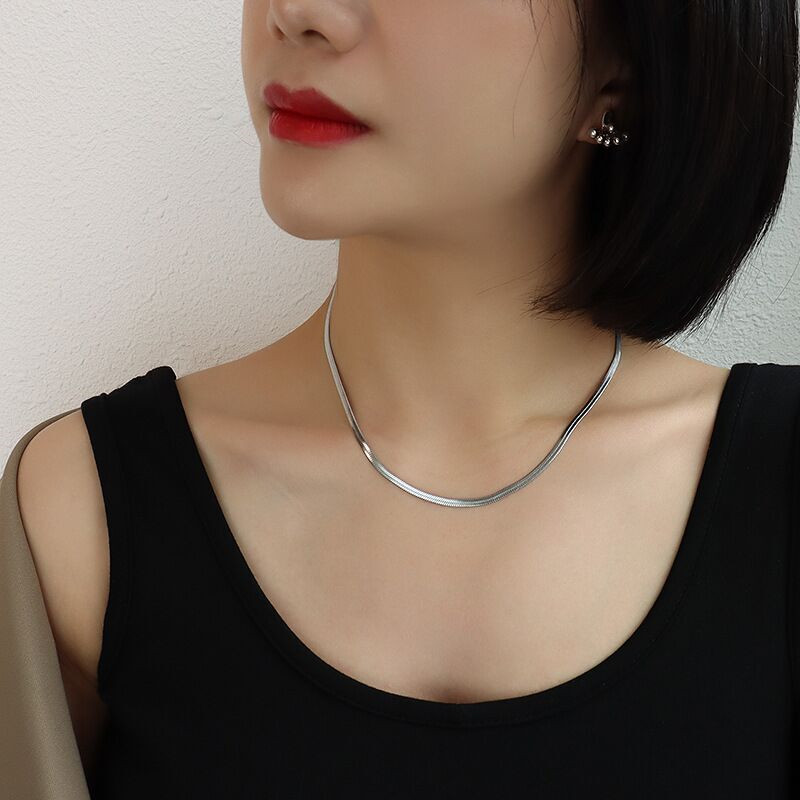
Last Thursday, I was waiting for my coffee on one of those chilly mornings where everyone had their coat collars pulled up high. I'd just walked in, peeling off my gloves and unwrapping my scarf while wearing my favorite long, layered necklace—the Boho Choker Vintage Moon Pendant. A woman standing nearby, sporting a large, cozy beanie that covered most of her hair, glanced at my neck and smiled.
She leaned closer and asked, “Where did you get that?”
I told her the name of the online shop. As I spoke, it hit me how much peace this simple, beautiful piece of jewelry had brought me. That’s a big deal, considering how many times I’ve been burned by jewelry stores. I used to think buying beautiful pieces meant dealing with dishonest people, hidden costs, or knockoff products. Not anymore.
I grew tired of the games—truly exhausted. For years, I tried finding good pieces online. I wasn’t looking for a major, expensive commitment—just something that matched its description and wouldn’t fall apart in a week.
My last experience was the worst. It felt like dealing with those high-end jewelers who treat you like a gatekeeper. You know the type—they insist you buy five rings before they’ll even discuss the one you actually want. That same energy trickles down to smaller online sellers, too.
I once bought two gold chains from a large online store. They promised a "lifetime warranty" and free maintenance. Sounds perfect, right?
It was all a lie. When the chains broke, here’s what actually happened:
Experiences like this left me feeling uneasy. It became clear that some companies believe they can hold their brand over your head, expecting trust even when they backtrack on agreements or deny obvious truths. I decided I was done with big names that practice unethical dealings. I wanted clarity, honesty, and quality I could verify myself.
Verdict: Never trust a "warranty" if they’re already charging you massive hidden fees. If a company can’t even give you a callback, they’re not worth your time.
I knew I needed a new approach. I started searching for transparency. If a jewelry shop was vague about details, I walked away. Instead of focusing on stores with huge marketing budgets, I turned to smaller sellers who clearly listed their materials. I looked for pieces, like the long, layered necklace I love, that were designed for everyday wear.
I dove deep into every listing, no longer assuming the photos told the whole story. I learned there are four simple steps to avoid getting scammed, especially when browsing great pieces like the ones in this category: