I've always loved the look of silver jewelry. I'm drawn to its bright, clean aesthetic. Recently, I started exploring different types of silver and stumbled upon the .999 pure silver. I was immediately intrigued – almost pure silver! But then I heard some whispers: ".999 silver isn't good for jewelry." That sparked a quest to find out why, and I'm excited to share what I discovered.
My initial thought was, "Pure must be better, right?" I imagined jewelry crafted from .999 silver would be the ultimate in quality and shine. I even considered making some rings. But then I saw comments suggesting that .999 silver might not be the best choice, especially for rings that would be worn every day. I started to worry that my grand plans for creating delicate, lasting silver jewelry might be flawed.
The biggest concern I encountered was the softness of .999 silver. I learned that it's significantly softer than sterling silver (.925). This means that jewelry made from pure silver is more prone to dents, scratches, and warping over time. I could imagine a beautiful ring, meticulously crafted, becoming misshapen after just a few weeks of wear. That was a deal-breaker for me. Sterling silver, with its higher copper content, offers better resistance to everyday wear and tear.
For example, I was thinking about creating a chunky silver ring with some hand-hammered details. While .999 silver would be fine for the initial shaping, I realized that the hand-hammered patterns would wear smooth much faster on a .999 ring compared to a .925 band. That's a huge difference in the lifespan and beauty of the piece. It's important to consider the long-term durability of the silver when making jewelry.
However, it's not all bad news for .999 silver! One significant advantage is its resistance to tarnish. Pure silver doesn't tarnish as quickly as sterling silver. This is a big plus if you hate constantly polishing your jewelry. However, I realized that while .999 silver might not tarnish as easily, it can still lose its luster. I heard that it won't achieve or maintain that bright, desirable polish that sterling silver has. It can quickly become dull and matte, even though it remains untarnished.
I decided to experiment with both .999 and .925 silver. I made a simple pendant out of each, wearing them daily to see how they held up. The .999 silver pendant did stay brighter for longer, but it also picked up scratches and dents more easily. The .925 pendant tarnished a bit faster, but it maintained its shape and polish much better. This experience led me to appreciate the balance that sterling silver offers between tarnish resistance and durability. I think choosing the right material really depends on the type of jewelry and how often you plan to wear it.
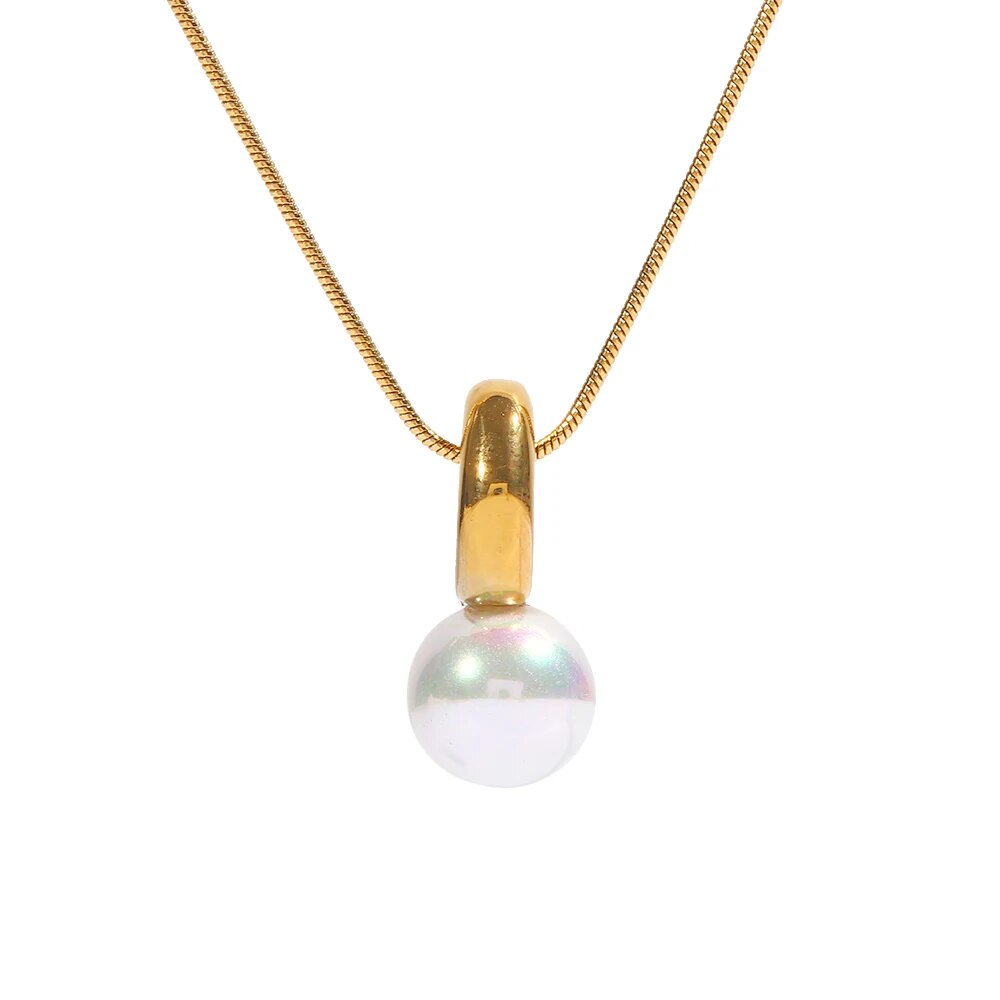
Speaking of pendants, I recently came across a beautiful necklace from SumsFashion Style that I absolutely adore. It's the Youthway Waterproof Stylish French Natural Freshwater Pearl Pendant Necklace. It isn't made of pure silver, but I love the design. I find myself wearing it all the time.
I love how the freshwater pearl adds a touch of elegance, and the chain is delicate yet durable. It's the perfect everyday piece, and I've received so many compliments on it. The fact that it's waterproof is a huge bonus, as I don't have to worry about taking it off when I wash my hands or shower. I've found that Youthway Waterproof Stylish French Natural Freshwater Pearl Pendant Necklace is very versatile and looks great with both casual and dressy outfits.
To summarize my findings, here's a quick breakdown of the pros and cons of using .999 silver for jewelry:
Despite its drawbacks, .999 silver can be a good choice for certain types of jewelry. I think it works well for pieces that won't be subjected to a lot of wear and tear, such as: